Seat height, frame strength, load rating and upholstery abrasion - the six checks that separate a lounge chair built for contract use from one built for photographs. Written by the Foshan factory that makes them.
Start with the height relationship
The most common mistake buyers make with lounge chairs is specifying the seat without checking what it has to serve. In our catalogue the working figures for lounges and lobbies are a seat height of 400-430 mm against 350-400 mm side table height — not a generic range, but the pairing we actually build and ship.
Hotel lobbies, waiting areas, senior living, reading corners. Seat height 400 to 430 mm with the back raked further than a dining chair, because the sitter is resting rather than eating. A side table at 350 to 400 mm goes with it. Get this pairing wrong and no amount of frame quality saves the specification.
How a lounge chair actually carries its load
A lounge chair is a soft seat on a frame, not a frame with a pad. 220 of the 226 models in this category are upholstered, so the frame is a substrate: it has to hold the foam and the cover in shape under a sitter who stays put for an hour, not one who leaves in twenty minutes. Our lounge chairs are rated to 130 kg and tested under EN 16139 Level 1 or Level 2 depending on traffic.
Comfort testing counts as much as strength here: foam compression set under repeated loading, cover abrasion, and a frame fatigue test at Level 1 or Level 2 depending on the traffic the lobby actually sees.
Domestic standards assume a gentle, predictable user; the contract tests cycle the frame far harder and add stability checks the domestic ones leave out. If the seating goes into a restaurant, a hotel or any space where the public sits down without thinking about it, specify the contract level. Browse the wooden lounge chairs we build for that traffic.
| Code | Frame and material | MOQ |
|---|---|---|
| GDC-5652 | Velvet/Fabric/Leather — Velvet/Fabric/Leather | 4 pcs |
| GDC-5652 | Velvet/Fabric/Leather — Velvet/Fabric/Leather | 2 pcs |
| GDC-5652 | Velvet/Fabric/Leather — Velvet/Fabric/Leather | 4 pcs |
Models in this category
The joint to look at on this category
The frame is a substrate for upholstery, so sections run lighter than a dining chair: 30 to 40 mm on the load-bearing rails, with a shaped ply or a webbed deck carrying the seat. Timber here is dried for stability rather than for appearance — most of it is never seen.
Frames are wood or metal under the cover, and the load path goes through the seat deck rather than the rails. Webbing or a sprung deck decides how the seat feels after a year more than the timber species does.
Check that the four feet touch the floor together — hold the piece on a flat surface and press each corner in turn. Any rocking when it is new means the frame was machined out of tolerance or the timber was not dried properly. Turn it over: are the screw holes plugged or open, is the block glued and screwed, does the finish cover the end grain?
Upholstery and surfaces on lounge chairs
Foam density is the specification that matters: 30 to 35 kg/m³ for a lobby, lower for a showroom piece. Covers are velvet, fabric or leather, and where the market requires it we can supply to BS 5852 or CAL 117 — specify at quotation, not after.
Almost none of the frame shows. What matters is that nothing rough touches the cover from inside: a splinter on a rail wears through fabric from the back within months, which is why upholstered frames are sanded and sealed even where no one will look.
"Velvet" and "leather" describe appearance, not performance. Ask for the Martindale rub count: 15,000 to 25,000 suits a home, 30,000 to 40,000 is the practical floor for a restaurant, and heavy commercial seating starts at 50,000. If you ship to the UK or the US, add the flame-retardancy standard your market requires at quotation stage — retrofitting the certificate after production is expensive.
What actually fails on lounge chairs
Seats that bottom out, covers that pill at the front edge, and frames that creak because the deck was stapled rather than webbed. Comfort complaints are almost always foam density, not frame strength.
None of these are mysterious and none of them are fixed by a thicker frame. They are fixed by specifying the right component at the start, which is why the drawing matters more than the photograph.
What we run in this category
There are 226 models in our Wooden Lounge Chairs line. 1% are built on a solid wood frame and 99% carry an upholstered or soft cover, which is why the specification conversation here is different from the one you would have on another category.
Three of them, with the frame and the MOQ as they stand today, are in the table above. See the full wooden lounge chairs range.
Ordering: what this category costs to move
The bulky end of the catalogue: 0.22 to 0.34 m³ per carton, one piece, fully assembled. Freight dominates the landed cost, which is why buyers consolidate them with flatter models. MOQ is 4 pieces, and 2 on some models.
A single lounge chair shipped by air tells you more than a specification sheet: whether the dimensions suit the people who will use it, whether the finish reads the same in your light, whether the frame is as tight as the drawing claimed. The sample fee is credited against the production order.
What to ask the factory before you pay a deposit
Six questions separate a supplier from a manufacturer: what is the timber species and its moisture content; which standard is the frame tested to and can I see the report; what is the real MOQ per model; how many pieces fit in a 40HC; what is the sample lead time; and who owns the tooling if we change the design. A factory answers all six in a day. A trader forwards the email.
Frames for upholstery go straight from the conditioned store to machining, because a frame that has picked up moisture will move after the cover is fitted — and a cover hides that movement until the seam splits.
Questions buyers ask
What dimensions should I specify for lounge chairs?
Seat 400-430 mm against 350-400 mm side table height, and check it against the furniture you already have rather than a standard. Send us the drawing and we will confirm the pairing.
How much weight should a lounge chair carry?
We rate our lounge chairs to 130 kg and test to EN 16139 Level 1 or Level 2 depending on traffic. Contract spaces should always be specified at the contract level rather than the domestic one.
What is the most common failure on lounge chairs?
Seats that bottom out, covers that pill at the front edge, and frames that creak because the deck was stapled rather than webbed. Comfort complaints are almost always foam density, not frame strength.
Can I mix models in one container?
Yes. Most buyers combine two to four models in a 40HC. Tell us the ratio and we will work out the volumetric split so the container is full without over-ordering one model.
Models in this range
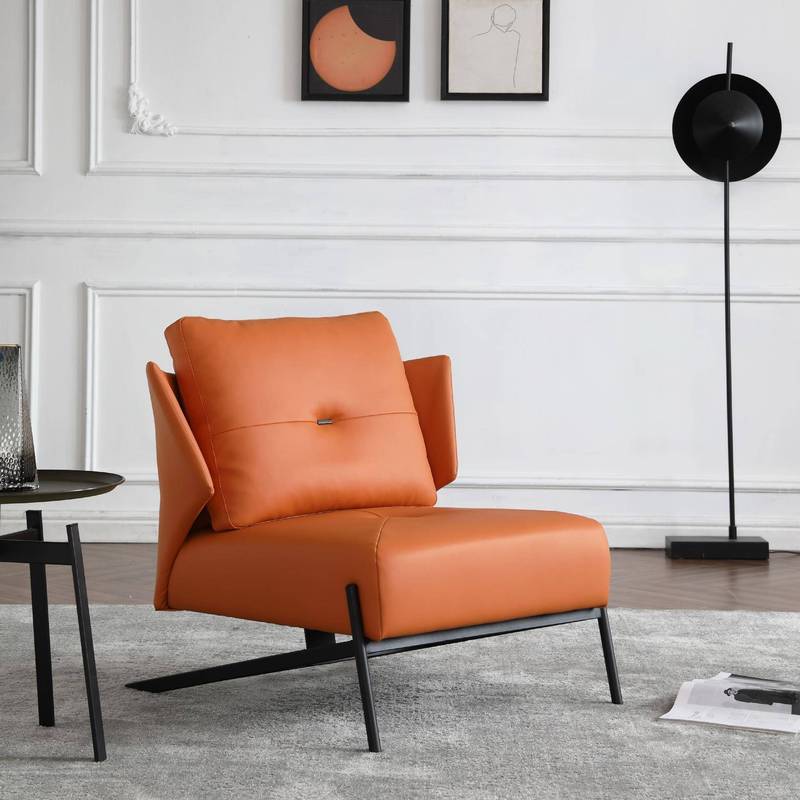 GDC-5652GDC Hotel Luxury Leather Single Chair Home Furniture Lazy
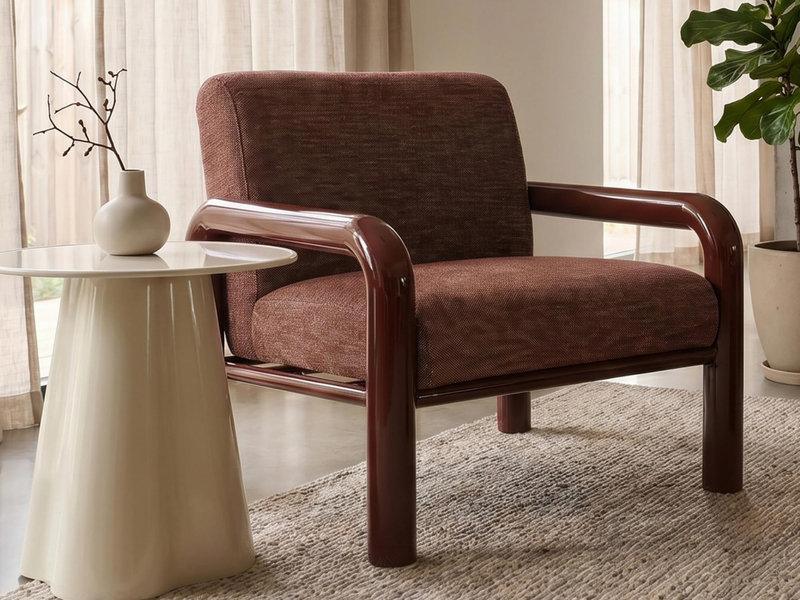 GDC-5652GDC Modern Comfortable Soft Fabric Chair Wooden Solid Wood
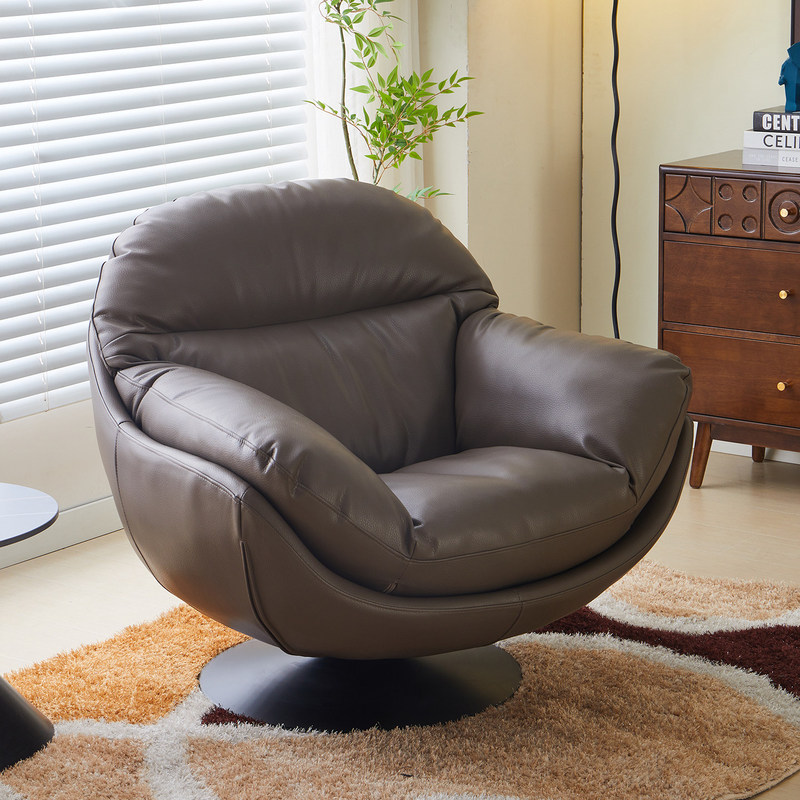 GDC-5652GDC Very Simple Sofa-style Lounge Chair - Comfortable Corner
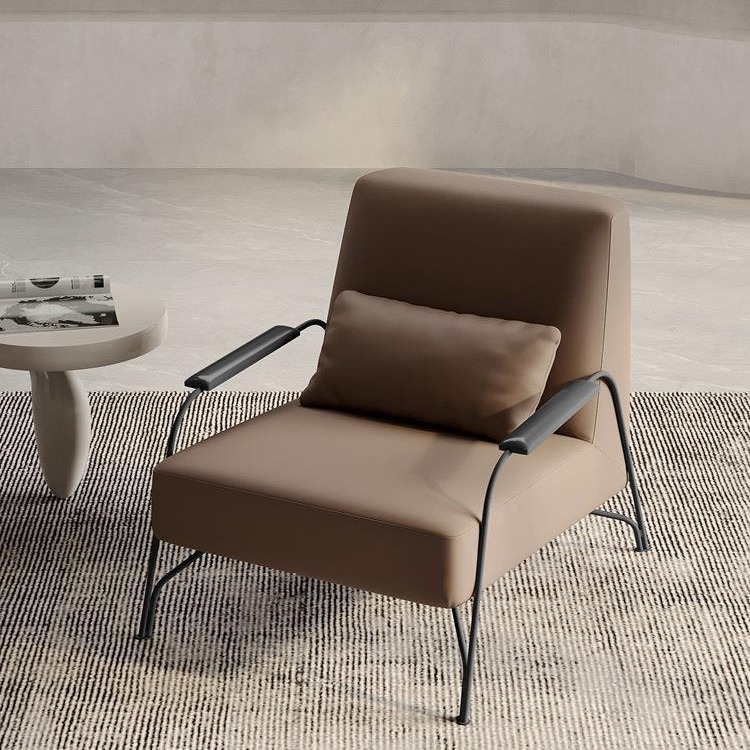 GDC-5652GDC Italian Minimalist Fabric Living Room Single-person Steel Frame
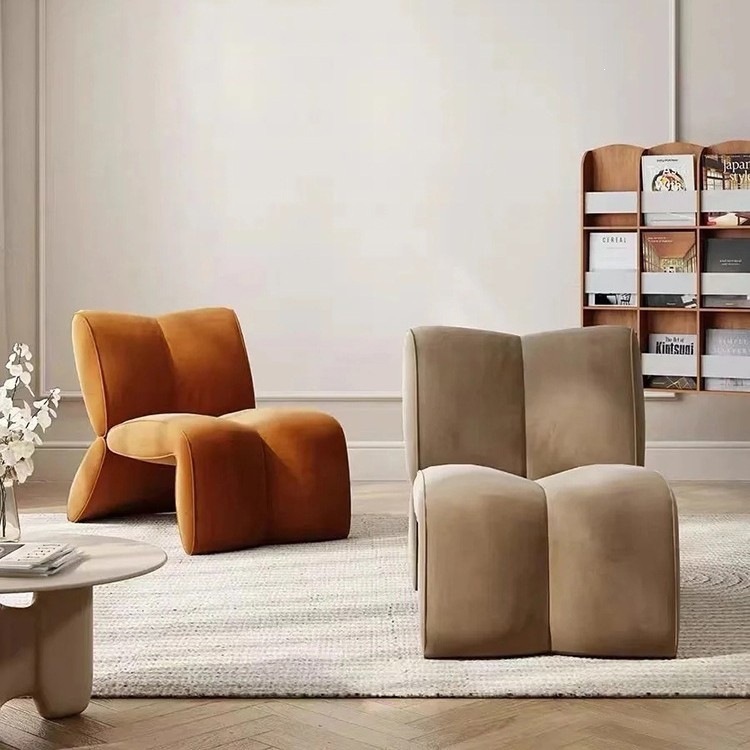 GDC-5652GDC Modern Minimalist Casual Chair, Single-person Reclining Chair, Suitable
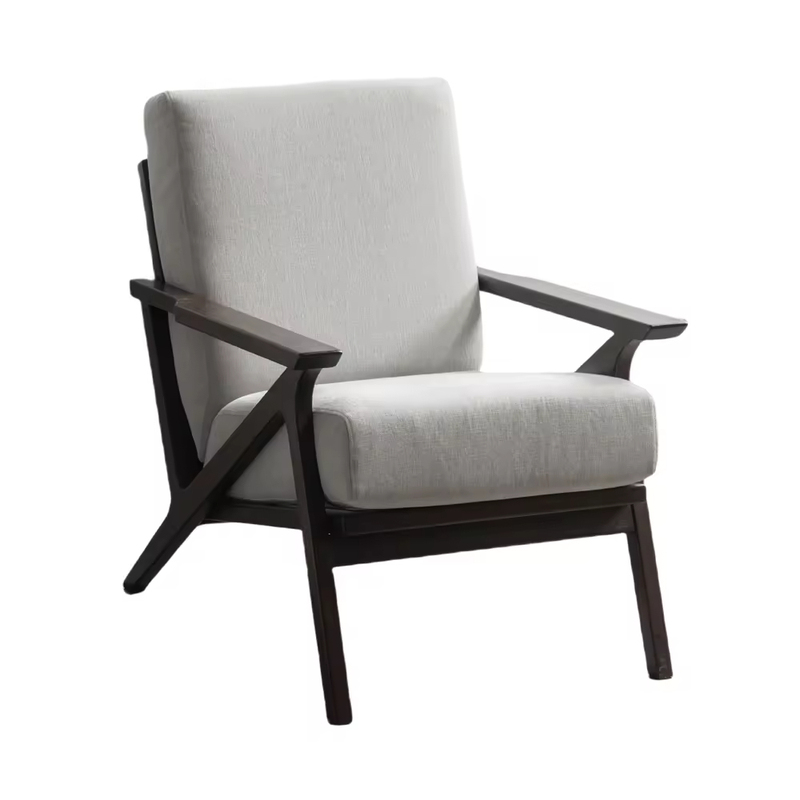 GDC-5652GDC Fabric Accent Chair Suitable for Small Apartments Featuring
Related guides
Ask the factory directly
Send a drawing, a photograph or a target price. We answer feasibility in one to two days from the floor in Longjiang, Foshan.
Request a quote[email protected]