Which standard applies to dining chairs, what Level 1 and Level 2 actually test, and how to read a test report so it is not quietly for a different model.
Domestic and contract are two different documents
EN 12520 covers seating for the home. EN 16139 covers seating for everywhere else, and it is graded: Level 1 for moderate use, Level 2 for severe use. The test methods live in EN 1728, and stability is covered separately in EN 1022.
For home dining rooms, the specification we build to is EN 12520 for domestic use, EN 16139 Level 1 for light contract use. Level 2 is not marketing — it means the frame survived cycling and loading regimes that a domestic chair is never put through.
Which standard applies to your market
Europe asks for EN 16139 with a test report. North America tends to ask for BIFMA X5.1 and, on upholstery, CAL TB 117-2013. The UK additionally wants BS 5852 on the foam and cover combination for hospitality seating, which is a materials test, not a frame test.
None of these are interchangeable and none of them are implied by the others. If your tender says "compliant", it usually means one specific number — ask which one.
| Standard | What it covers | Where it is expected |
|---|---|---|
| EN 12520:2015 | Domestic seating - strength, durability, safety | Homes, showrooms |
| EN 16139:2013 Level 1 | Non-domestic seating, moderate use | Light contract, small cafés |
| EN 16139:2013 Level 2 | Non-domestic seating, severe use | Restaurants, hotels, bars |
| EN 1728 | Test methods for strength and durability | Referenced by the above |
| EN 1022 | Stability - front, side and rear tipping | Referenced by the above |
| BIFMA X5.1 | North American general-purpose seating | US and Canada contracts |
| BS 5852 | Flame retardancy of upholstered seating | UK hospitality |
| CA TB 117-2013 | Flame retardancy of filling materials | California / US wide practice |
Standards
What a test report should contain
A usable report names the standard, the level, the model tested, the laboratory, and the date. Model matters: a report for a different chair in the same catalogue is not evidence. Ours are raised by SGS, TÜV or Intertek against the specific model you are buying, and we send the PDF with the quotation rather than after it. Current solid wood dining chairs are tested to the contract level.
What the rig actually does to a chair
Strength testing is not a single press. The seat is loaded vertically and repeatedly, the backrest is pushed backwards with the seat restrained, the legs take a horizontal force at seat height, the frame is dropped onto its legs, and stability is checked by tipping it forwards, sideways and backwards under load with EN 1022. Each of those attacks a different joint, which is why a chair can pass one and fail another.
Cycle counts and force levels differ by level. That is the whole difference between Level 1 and Level 2: not a different chair, a harder regime applied to the same one.
The documentation pack worth asking for
A quotation should arrive with the test report for the specific model, a declaration of conformity, the material declaration for foam and covering, and, where the market asks for it, a REACH statement on the finish. All four are routine to produce on a factory order and all four are difficult to obtain afterwards.
When a report stops being valid
Change the frame dimensions, the timber, the joint or the foam density and the report for the original model no longer describes what you are buying. Laboratories do not put an expiry date on seating reports, but most tenders and most insurers treat anything older than two years as stale. Re-testing a modified model is a few hundred dollars and a week; discovering the certificate does not cover your consignment is not.
Where buyers get caught
Three traps. Ordering to EN 12520 and installing into a restaurant — the chairs are legal but underbuilt for the traffic. Assuming a certificate held by the factory covers a modified design — it does not. And discovering the flame-retardancy requirement after the foam has been cut, which means reupholstering the whole run.
Questions buyers ask
Do I need EN 16139 or EN 12520?
If the seating goes into a home, EN 12520. Everywhere else — restaurants, hotels, bars — EN 16139 Level 2.
Is BIFMA accepted in Europe?
Not as a substitute. It is a different test regime for a different market. If you sell into both, ask for both reports on the same model.
Who issues your test reports?
SGS, TÜV or Intertek, raised against the specific model ordered. The PDF ships with the quotation.
Models in this range
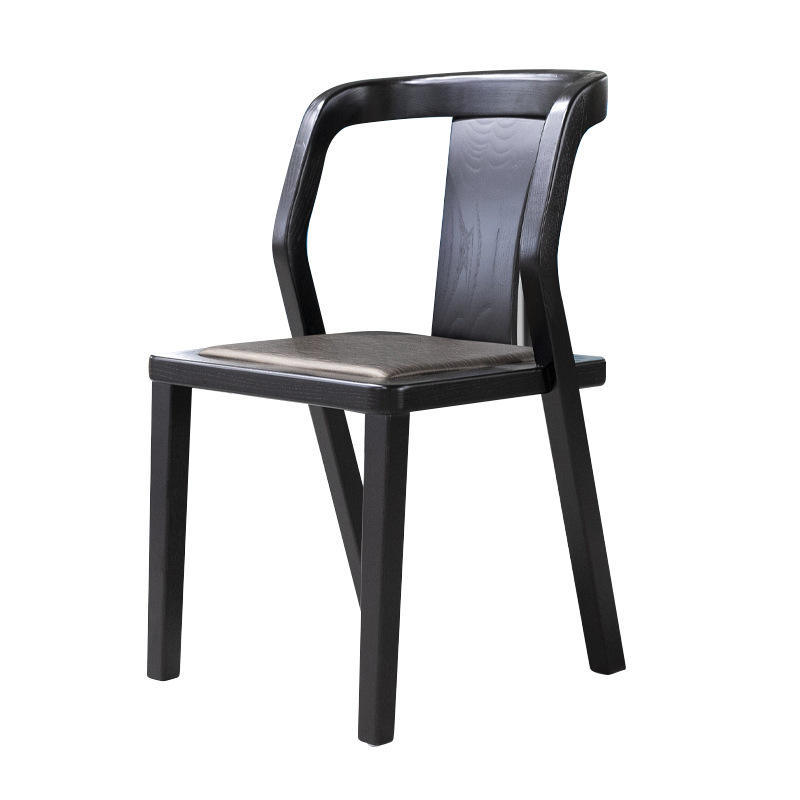 A003GDC Modern Minimalist Black Solid Wood Dining Chair with
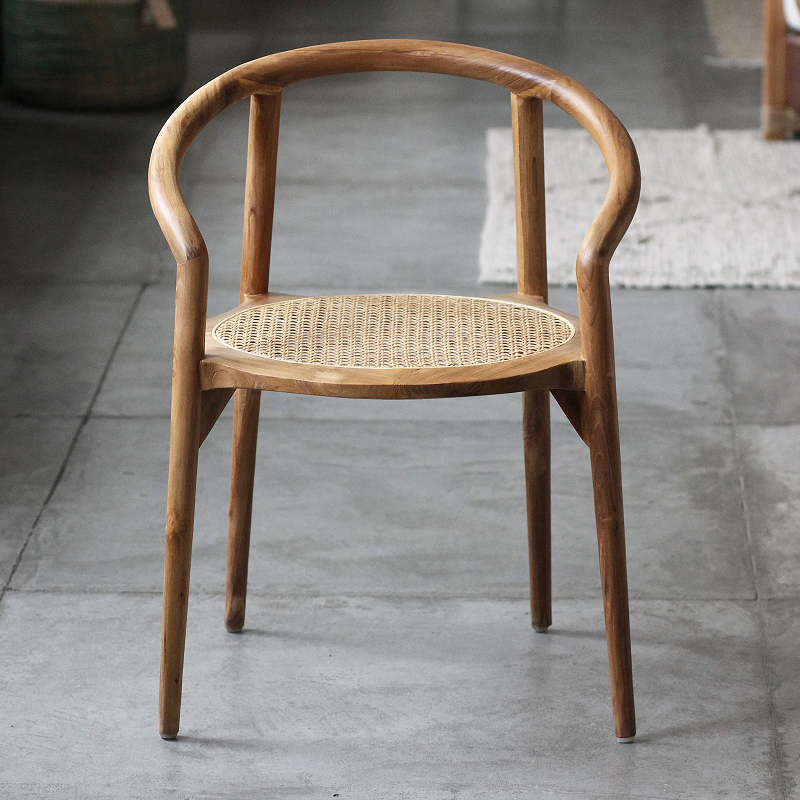 A005GDC Nordic Modern Frame Good Quality Ash Wood Real
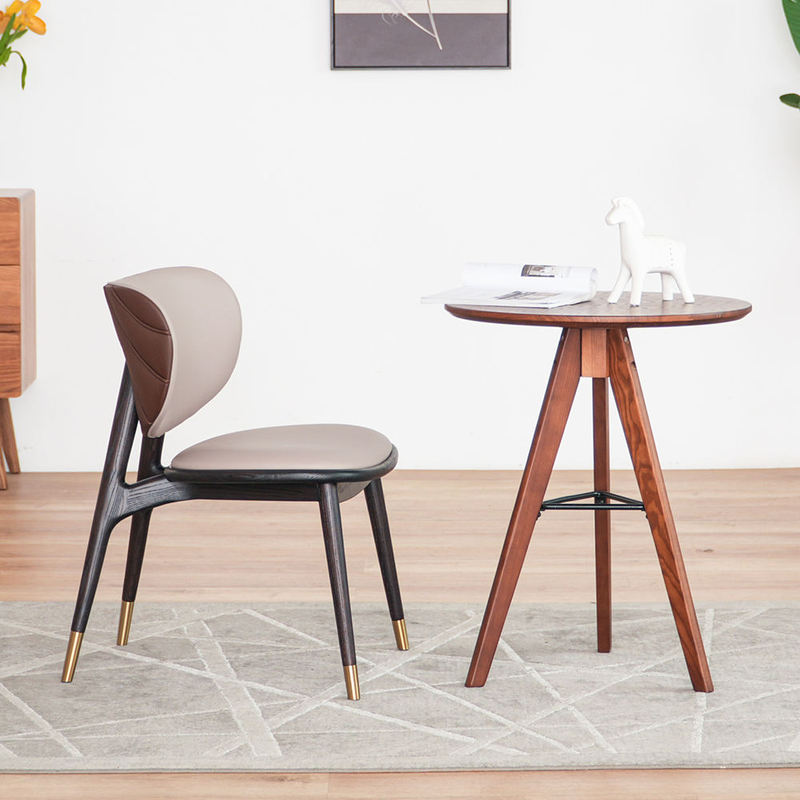 A005GDC Modern Ash Art Luxury Solid Wood Dining Chair
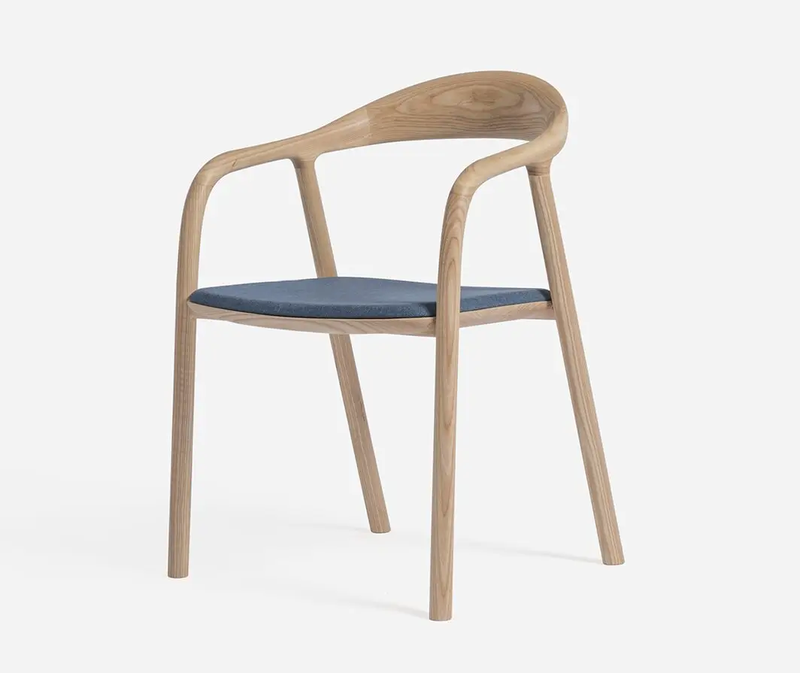 A005GDC Factory Direct Sales Upholstered Dining Room Chair Solid
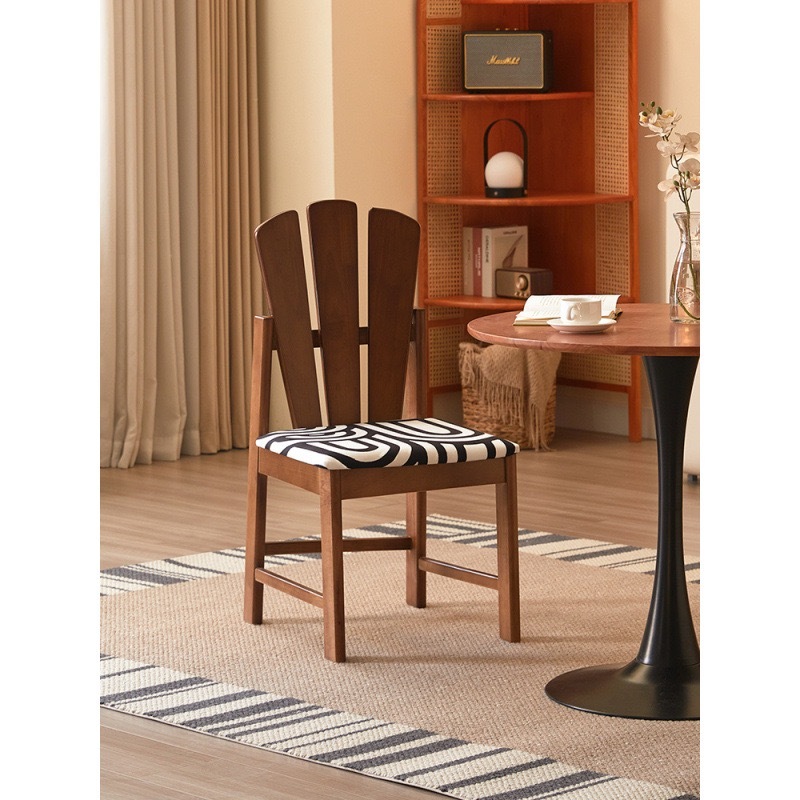 A005GDC Medieval Style Solid Wood Creative Art Home Chair
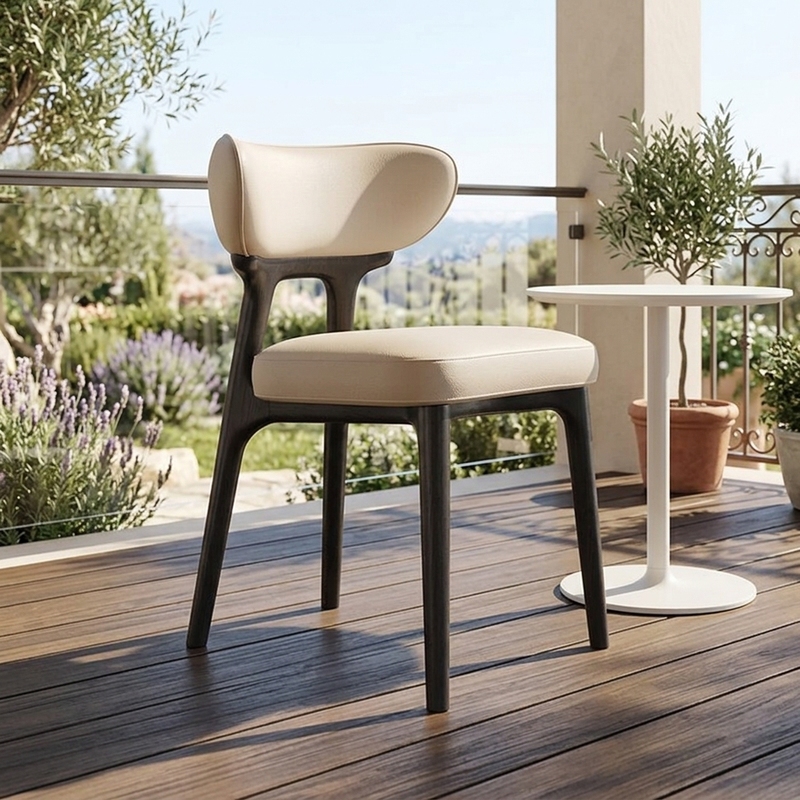 XY-24018GDC Nordic Italian Solid Wood Dining Chair Cream Style
Related guides
Ask the factory directly
Send a drawing, a photograph or a target price. We answer feasibility in one to two days from the floor in Longjiang, Foshan.
Request a quote[email protected]